Holidays and Holydays
- Peter Carolane
- Dec 23, 2025
- 3 min read

Many of us both look forward to the Christmas holidays and also find them completely exhausting. We can't wait to take a break, but all the awkward family get-togethers, rushing around, and busy shopping knock us out.
What is a "holiday," really?
The word "holiday" comes from an Old English word which literally means "holy day." First recorded around 950, it referred exclusively to consecrated religious days and the Sabbath. Even deeper, "holy" traces back to a root meaning "whole, uninjured." A holy day wasn't just about observance; it was about becoming whole.
But during the 14th and 15th centuries, "holiday" started to take on a less religious meaning: a day of exemption from labour. The spelling even helped distinguish the concepts—"holiday" became associated with breaks and vacations, while "holy day" retained its religious meaning. This wasn't just linguistics; it reflected Western culture’s emerging secular project, which was gradually separating its leisure from its liturgy.
You might be interested to know that pre-industrial people enjoyed far more holidays than we do. Before 1834, the Bank of England observed about thirty-three saints' days as rest days. The industrial revolution swept most of these away, transforming time from a sacred rhythm into a commodity to maximise production.
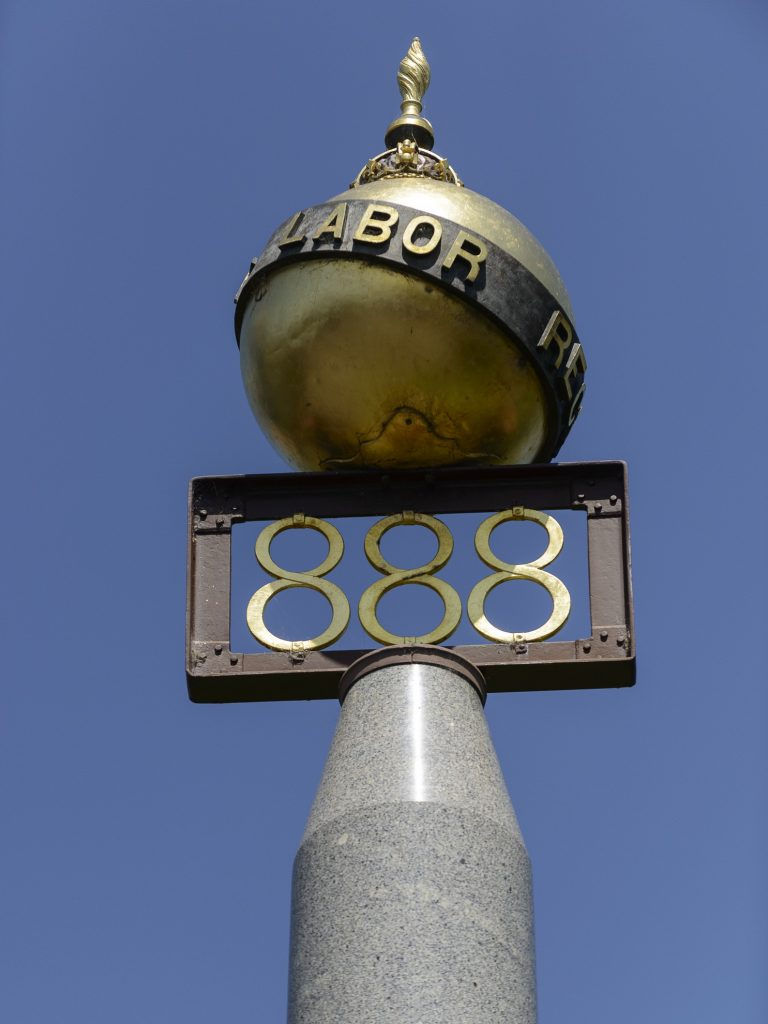
In Australia, the fight for leisure had its own character. The eight-hour day movement, beginning in Melbourne in 1856, recognised that we need more than work to be whole. Paid annual leave didn't become standard until the mid-20th century, finally allowing working families the extended summer break we now consider essential to Australian life.
Today, many traditional holy days have lost their religious significance. Boxing Day, once about Christian charity, now means cricket and sales. The biggest thing about Good Friday in Melbourne is the AFL SuperClash between North Melbourne and Carlton. I’ve even been intrigued by the number of my non-Christian friends who aren’t really doing anything on Christmas Day! The fact is, for most Australians, these “holy days” are just days off.
But here's the theological revolution hidden in the etymological root of the word: holiness was never about separation from the world, but about the healing of it. When "holy" meant "whole," it suggested that the sacred isn't found by escaping ordinary life, but by entering it so fully that we become undivided, body and spirit reunited, work and rest reconciled, self and neighbour no longer at odds.
This is why the incarnation matters for our summer holidays. God didn't rescue us from creation; He entered it, blessed it, and called us to do the same. The beach is no less sacred than the cathedral: both are a theatre for divine encounter. When we rest, we're not stealing time from productivity; we're remembering that we're creatures, not machines. We're practicing the scandalous truth that our worth isn't measured by our output.
The Sabbath wasn't given as a burden but as a gift, a weekly rehearsal of Eden before the fall and the kingdom yet to come. Every holiday carries this same invitation: to stop performing, to receive rather than achieve, to let the world turn without our anxious hands pushing it.
So that summer barbecue becomes a feast of fellowship because fellowship is God's life shared. That day at the beach celebrates creation because creation is God's first gift. That quiet morning becomes sabbath rest because rest is resistance against a world that wants to monetise every moment of your existence.
The word "holiday" has travelled from a sacred day meant for spiritual wholeness to our modern understanding of a break from work. But perhaps that ancient meaning is calling us back. This summer, the question isn't whether you can make your holiday holy, it's whether you can let it make you whole.


Comments